“processing station” search results (800)

Rwandan coffee production process Rwandan coffee history
The first problem for Malaba coffee farmers is to set up a cleaning station. The coffee fruit must be transported to the cleaning station to wash the sugar under the skin of the coffee bean within 12 hours after picking, otherwise the flavor of the coffee will be greatly damaged. In July 2001, with UNR, the Ministry of Culture and Industry of Rwanda (Office des Cultures Industrielles du Rwanda,OCIR-Caf), ACD
2016-05-27 Rwanda coffee production process history Malaba Rabbah farmers first and foremost
Coffee beans in the world's major producing areas of coffee harvest
To ensure that coffee cherries do not spoil, they are delivered to coffee receiving stations on the day they are picked. Low-quality coffee cherries are disposed of when picked and delivered to receiving stations. Macado's Brazilian farms have their own coffee receiving stations to complete the process. The receiving station uses a tank for preliminary cleaning and screening, also known as Pre-cleaning and floa.
2015-04-16 coffee beans world main origin coffee harvest guarantee cherries change
African Boutique Coffee Rwanda West Musioi Wash
Rwandan coffee, like many African countries, is mainly produced by small farmers. During the harvest period, the ripe coffee cherries are collected and sent to the processing station for processing. Every year, farmers gather ripe coffee berries for processing at processing stations, first picking them by hand to ensure that no immature or damaged fruit is mixed in. Then remove the peel and ring at cool temperatures
2016-05-14 Africa Boutique Coffee Rwanda Anda Western Province Mouseau Wash
Muxiuyi, western province of Luanda, washed fine coffee, raw beans, single bourbon beans.
Like many African countries, Rwandan coffee is mainly produced by small farmers, and the ripe cherry fruits are collected and sent to the processing station every year during the harvest period. During the annual harvest period, the ripe coffee berries picked by farmers are concentrated in the treatment station for treatment, first selected by hand to ensure that no immature or damaged fruit is mixed in. Then remove the peel in a cool, cold ring
2016-05-20 Luanda Anda Western Province Muxiu Water washing Fine goods Coffee Raw beans single Product Bo
Rwanda Coffee Manor Coffee Flavor characteristics of Coffee Taste production area
The first problem for Malaba coffee farmers is to set up a cleaning station. The coffee fruit must be transported to the cleaning station to wash the sugar under the skin of the coffee bean within 12 hours after picking, otherwise the flavor of the coffee will be greatly damaged. In July 2001, with UNR, the Ministry of Culture and Industry of Rwanda (Office des Cultures Industrielles du Rwanda,OCIR-Caf), ACD
2016-07-18 Rwanda Coffee Manor Mayer Flavor characteristics Taste producing area introduction Mara
Chimere Manor, Lutesilo production area, Western Province of Rwanda
Rwandans have been growing coffee since colonial times, but until 1999, its products were still classified as below Class C and were not popular in the global market. The reason for the poor quality is that farmers do not have a fixed procedure for washing coffee beans and do not process coffee fruits according to specifications in time. Buyers buy coffee beans at $0.33 per kilogram, and farmers keep warm by the meagre profits earned at low prices.
2016-06-16 Rwanda Western Province Texi producing areas Mayer Manor colonization
Rwanda Coffee Flavor
Rwandans have been growing coffee since colonial times, but until 1999, its products were still classified as below Class C and were not popular in the global market. The reason for the poor quality is that farmers do not have a fixed procedure for washing coffee beans and do not process coffee fruits according to specifications in time. Buyers buy coffee beans at $0.33 per kilogram, and farmers keep warm by the meagre profits earned at low prices.
2016-08-30 Rwanda coffee flavor characteristics people since colonization times from open
The Historical Origin of Rwandan Coffee
Historical editors originate that Rwandans have been growing coffee since colonial times, but until 1999, its products were still classified as below Class C and were not popular in the global market. The reason for the poor quality is that farmers do not have a fixed procedure for washing coffee beans and do not process coffee fruits according to specifications in time. Buyers buy coffee beans at $0.33 per kilogram, which farmers earn at low prices.
2016-06-01 Rwanda Coffee History Origin Editor Human self colonization
Single bourbon beans Musiui washing in the western province of Luanda, Rwanda
Like many African countries, Rwandan coffee is mainly produced by small farmers, and the ripe cherry fruits are collected and sent to the processing station every year during the harvest period. During the annual harvest period, the ripe coffee berries picked by farmers are concentrated in the treatment station for treatment, first selected by hand to ensure that no immature or damaged fruit is mixed in. Then remove the peel in a cool, cold ring
2016-05-18 Shan Pinbo Pandou Rwanda Luanda Anda Western Province Muxiu Water washing Luwang
Introduction of Rwanda Coffee Variety-Malaba Coffee beans
Rwandans have been growing coffee since colonial times, but until 1999, its products were still classified as below Class C and were not popular in the global market. The reason for the poor quality is that farmers do not have a fixed procedure for washing coffee beans and do not process coffee fruits according to specifications in time. Buyers buy coffee beans at $0.33 per kilogram, and farmers keep warm by the meagre profits earned at low prices.
2016-06-16 Rwanda Coffee Variety Malaba Rabbah Coffee beans introduction Renzi
Fine coffee bourbon beans washed in Muxiui producing area in the western province of Luanda, Rwanda
Like many African countries, Rwandan coffee is mainly produced by small farmers, and the ripe cherry fruits are collected and sent to the processing station every year during the harvest period. During the annual harvest period, the ripe coffee berries picked by farmers are concentrated in the treatment station for treatment, first selected by hand to ensure that no immature or damaged fruit is mixed in. Then remove the peel in a cool, cold ring
2016-06-20 Boutique Coffee Bourbon Rwanda Luanda Anda Western Province Mushu producing areas
Introduction of washed Rwanda coffee beans classification of fine coffee
Rwandans have been growing coffee since colonial times, but until 1999, its products were still classified as below Class C and were not popular in the global market. The reason for the poor quality is that farmers do not have a fixed procedure for washing coffee beans and do not process coffee fruits according to specifications in time. Buyers buy coffee beans at $0.33 per kilogram, and farmers keep warm by the meagre profits earned at low prices.
2016-06-28 Washing Rwanda coffee beans introduction boutique coffee classification people from
Bourbon beans, Rwanda coffee, Musuyi boutique coffee in the western province of Luanda.
Like many African countries, Rwandan coffee is mainly produced by small farmers, and the ripe cherry fruits are collected and sent to the processing station every year during the harvest period. During the annual harvest period, the ripe coffee berries picked by farmers are concentrated in the treatment station for treatment, first selected by hand to ensure that no immature or damaged fruit is mixed in. Then remove the peel in a cool, cold ring
2016-06-15 Bourbon Rwanda Coffee Luanda Anda Western Province Muxiu boutique
Rwanda Coffee East Africa recently a fast-growing boutique coffee producer, washing, elevated scaffolding Day
Like many African countries, Rwandan coffee is mainly produced by small farmers, and the ripe cherry fruits are collected and sent to the processing station every year during the harvest period. During the annual harvest period, the ripe coffee berries picked by farmers are concentrated in the treatment station for treatment, first selected by hand to ensure that no immature or damaged fruit is mixed in. Then peel off the peel in a cool, cold environment
2016-04-13 Rwanda coffee East Africa recently development rapid one boutique country of production washing
Fruit-scented Rwandan coffee beans taste the characteristics of the manor producing area introduction to Rwanda boutique coffee beans
Rwanda has been growing coffee since colonial times. Although the crops are mainly coffee, the quality of coffee produced in Rwanda is not outstanding, and its status in the coffee world is low, and few people pay attention to it. Most of the coffee varieties grown in Rwanda are bourbon. Rwanda, known as the country of Thousand Hills, has a high-altitude mountain environment, fertile volcanic soil and abundant precipitation.
2016-08-08 Fragrance Rwanda coffee beans flavor taste manor producing area characteristics introduction essence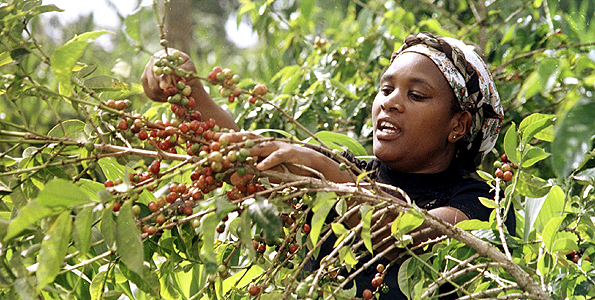
African Coffee Manor Musiui treatment Plant in the western province of Rwanda washing and treating bourbon boutique black coffee
Like many African countries, Rwandan coffee is mainly produced by small farmers, and the ripe cherry fruits are collected and sent to the processing station every year during the harvest period. During the annual harvest period, the ripe coffee berries picked by farmers are concentrated in the treatment station for treatment, first selected by hand to ensure that no immature or damaged fruit is mixed in. Then remove the peel in a cool, cold ring
2016-03-28 Africa Coffee Manor Rwanda Western Province Muxiu treatment Plant washing treatment
Coffee bean treatment method introduction what is coffee treatment method
After removing the pulp, the quality of coffee honey treatment was better than that of drying treatment, but not as good as washing treatment. This method of processing coffee beans by honey treatment has recently been sought after by coffee lovers. It has a sweet taste and is rich in Crema. It is suitable for extracting Espresso from the base of Italian coffee. The advantage is that it can restore the flavor of coffee beans, the coffee is more sweet, and the taste of red wine is stronger.
2016-07-25 Coffee beans processing methods introductions what coffee
The origin of coffee beans in Rwanda Coffee bean powder is too weak.
The Rwandans of origin have been growing coffee since colonial times, but until 1999, its products were still classified as below Class C and were not popular in the global market. The reason for the poor quality is that farmers do not have a fixed procedure for washing coffee beans and do not process coffee fruits according to specifications in time. Buyers buy coffee beans at $0.33 per kilogram, and farmers rely on the meagre profits earned at low prices.
2016-06-13 Rwanda coffee beans origin coffee bean powder brewing too light
Bake Gatia, Rwanda (Rwanda GATARE WASHING STATION)
The baking ends before the first explosion is completely over and the second explosion has not yet begun. Judging from the baking results, this bean belongs to high-altitude hard beans, which may require a little more firepower when baking.
2014-07-04 Roasted Rwandan coffee beans Rwandan coffee beans
An introduction to the characteristics of the manor producing area with a rich taste of Rwanda boutique coffee
Rwandans have been growing coffee since colonial times, but until 1999, its products were still classified as below Class C and were not popular in the global market. The reason for the poor quality is that farmers do not have a fixed procedure for washing coffee beans and do not process coffee fruits according to specifications in time. Buyers buy coffee beans at $0.33 per kilogram, and farmers keep warm by the meagre profits earned at low prices.
2016-09-07 Taste embellishment rich Rwanda boutique coffee flavor taste manor producing area